
If you’ve ever written “to that affect” and wondered whether it should be “to that effect,” you’re not alone.
These two phrases sound identical when spoken, but only one is grammatically correct in standard English.
In this guide, we’ll break down to that effect vs to that affect, explain the correct usage, provide examples, highlight common mistakes, and help you remember the difference easily. By the end, you’ll never second-guess this phrase again.
Quick Answer: To That Effect vs To That Affect
- ✅ To that effect = Correct phrase
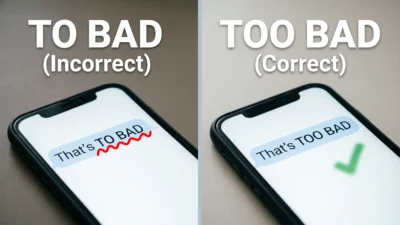
- ❌ To that affect = Incorrect in this context
The correct expression is “to that effect.”
It means: with that meaning, in that sense, or expressing something similar.
What Does “To That Effect” Mean?
To that effect means “with that meaning,” “along those lines,” or “expressing something similar.”
It’s commonly used when summarizing or paraphrasing what someone said without quoting them exactly.
Examples of “To That Effect”
- She said she wasn’t interested, or words to that effect.
- The manager made a comment to that effect during the meeting.
- He mentioned something to that effect, though I don’t remember the exact wording.
- The email included a statement to that effect.
In each case, the speaker is referring to something previously said, but not quoting it word-for-word.
Synonyms for “To That Effect”
- In that sense
- Along those lines
- With that meaning
- Something similar
- Words to that effect
This phrase is widely used in both American English and British English, with no spelling differences.
Why “To That Affect” Is Incorrect
The word affect is typically used as a verb, meaning “to influence” or “to impact.”
Examples of affect (correct usage as a verb):
- Lack of sleep can affect your concentration.
- The weather may affect travel plans.
- Stress can affect your health.
Because affect is usually a verb, it does not fit grammatically in the phrase “to that affect.”
So:
❌ He said something to that affect.
✅ He said something to that effect.
Understanding Effect vs Affect
The confusion often comes from mixing up affect and effect in general.
Here’s a quick breakdown:
| Word | Part of Speech | Meaning | Example |
|---|---|---|---|
| Affect | Usually a verb | To influence | The news affected her mood |
| Effect | Usually a noun | A result or outcome | The new rule had a positive effect |
Memory trick:
- Affect = Action (both start with A)
- Effect = End result
In the phrase “to that effect,” we’re using effect as a noun referring to meaning or result.
Why People Confuse “Effect” and “Affect”
There are a few reasons this mistake is so common:
- They sound the same (homophones).
- Both are real English words.
- Spell check won’t flag the error.
- The difference is subtle but important.
Because both spellings are valid words, many people accidentally write “to that affect” without realizing it’s incorrect.
Common Mistakes to Avoid
1. Using “Affect” After “To That”
Incorrect:
- She made a comment to that affect.
Correct:
- She made a comment to that effect.
2. Confusing It With “Cause and Effect”
The word effect in “to that effect” relates to meaning or result, not necessarily a physical outcome.
3. Assuming Context Fixes It
Even if readers understand what you mean, incorrect usage can reduce credibility in academic, business, or professional writing.
Real-Life Usage Examples
In Business
- The CEO issued a statement to that effect.
- The report included remarks to that effect.
In Legal or Formal Contexts
- The court issued an order to that effect.
- The contract contains language to that effect.
In Everyday Conversation
- She said something to that effect, but I can’t remember the exact words.
- He made a joke to that effect.
This phrase is very common in formal summaries and paraphrasing.
American vs British English Differences
There is no difference between American and British English in this phrase.
Both use:
- To that effect (correct)
- “To that affect” is incorrect in both dialects.
Frequently Asked Questions (FAQs)
1. Is “to that affect” ever correct?
No. In standard English, the correct phrase is always “to that effect.”
2. What does “to that effect” mean exactly?
It means “with that meaning” or “expressing something similar.”
3. Why do people make this mistake?
Because affect and effect sound the same and both are valid words.
4. Can effect ever be a verb?
Yes, but in rare formal contexts. For example:
- The company plans to effect change.
However, this is unrelated to the phrase “to that effect.”
5. How can I remember the correct phrase?
Think of “effect” as referring to the meaning or result of what was said. The phrase refers to the meaning, not influence.
6. Is this mistake common in professional writing?
Yes, especially in emails and reports. It’s a frequent grammar error.
Final Summary
The correct phrase is “to that effect.” It means “with that meaning” or “expressing something similar.” The version “to that affect” is incorrect in standard English because affect is typically a verb meaning “to influence.”
Understanding the difference between affect and effect helps eliminate this mistake entirely.
When referring to meaning, result, or phrasing, always choose effect. Getting this small detail right strengthens your writing and improves your credibility.
Actionable Takeaway
Before writing the phrase:
- Ask: Am I referring to meaning or result? → Use effect
- Remember: Affect = Action, Effect = End result
- When in doubt, check if the word could be replaced with “meaning.” If yes, use effect.
Master this once, and you’ll never confuse it again.

Euroa Alinta is a dedicated author known for crafting engaging and insightful content. With a strong passion for storytelling and digital publishing, Euroa specializes in creating informative, reader-friendly articles. Her work reflects creativity, clarity, and authenticity, connecting audiences with meaningful ideas across diverse topics and interests.